Dremel | Carbide Sanding / Drilling Drum (1X) - Max

Carbide Sanding / Drilling Drum
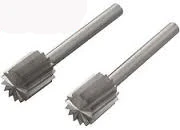
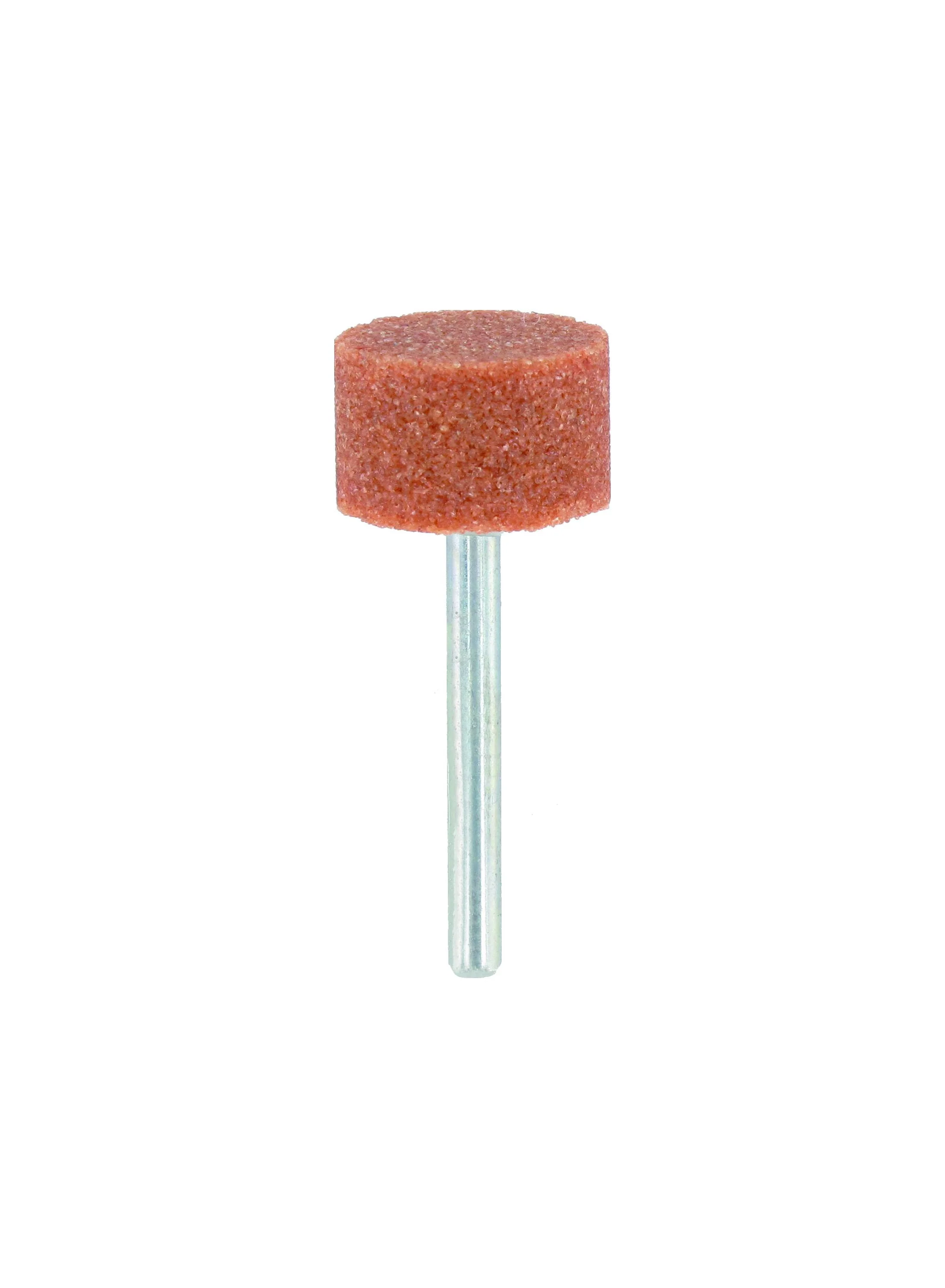
Mounted on an extra strong, steel mandrel the sanding drum allows you to move laterally or orbitally to smooth out surfaces, enlarge holes, or create irregular cavities.
How to use?
Drum is most effective when the edge is flat against the work piece. To find optimal speed, start slowly and gradually increase speed in order to avoid excessive heat. Let the tool do the work with reduced speed and apply little to no pressure in order to maximize accessory life. Not recommended for usage with metal or substances such as paint & other finishes as drum will be clogged easily.
Materials to use on
Ideal for a variety of materials including Hard and soft woods Ceramic wall tile Composites Plastic Fiberglass Stone. Not recommended for use on metal
Sanding Recommended speed
Soft & Hard Wood 15000 - 35000 RPM Laminates/Plastics 15000 RPM Shell/Stone 25000 – 35000 RPM Ceramic 15000 RPM
Hole Drill - What can you do with it?
This accessory functions as both a sanding drum and a hole drill. With hole drill function you can plunge cut into a variety of materials.
How to use?
Start drilling by holding your tool on a 45 degree angle. Continue cutting, moving the tool in circular motion. Allow the tool to cut the whole gradually. This way you will build minimum heat around the accessory and maximize the accessory life. When drilling holes through ceramic wall tile, start hole on the non-glazed side of the tile. To remove a material plug stuck in the hole saw, fasten a screw into the plug and pull it out or lightly tap the plug with a punch until it breaks.
Materials to use on
Ideal for soft woods and ceramic wall tile. Not recommended for stone, porcelain, or hard floor tiles.
Hole drill - Recommended speed
Soft & Hard Wood 20000 RPM Laminates/Plastics 15000 RPM Ceramic 15000 – 20000 RPM
Product Information
Product Information
Shipping & Returns
Shipping & Returns


Dremel | Carbide Sanding / Drilling Drum (1X) - Max
Dremel | Carbide Sanding / Drilling Drum (1X) - Max
Carbide Sanding / Drilling Drum
Mounted on an extra strong, steel mandrel the sanding drum allows you to move laterally or orbitally to smooth out surfaces, enlarge holes, or create irregular cavities.
How to use?
Drum is most effective when the edge is flat against the work piece. To find optimal speed, start slowly and gradually increase speed in order to avoid excessive heat. Let the tool do the work with reduced speed and apply little to no pressure in order to maximize accessory life. Not recommended for usage with metal or substances such as paint & other finishes as drum will be clogged easily.
Materials to use on
Ideal for a variety of materials including Hard and soft woods Ceramic wall tile Composites Plastic Fiberglass Stone. Not recommended for use on metal
Sanding Recommended speed
Soft & Hard Wood 15000 - 35000 RPM Laminates/Plastics 15000 RPM Shell/Stone 25000 – 35000 RPM Ceramic 15000 RPM
Hole Drill - What can you do with it?
This accessory functions as both a sanding drum and a hole drill. With hole drill function you can plunge cut into a variety of materials.
How to use?
Start drilling by holding your tool on a 45 degree angle. Continue cutting, moving the tool in circular motion. Allow the tool to cut the whole gradually. This way you will build minimum heat around the accessory and maximize the accessory life. When drilling holes through ceramic wall tile, start hole on the non-glazed side of the tile. To remove a material plug stuck in the hole saw, fasten a screw into the plug and pull it out or lightly tap the plug with a punch until it breaks.
Materials to use on
Ideal for soft woods and ceramic wall tile. Not recommended for stone, porcelain, or hard floor tiles.
Hole drill - Recommended speed
Soft & Hard Wood 20000 RPM Laminates/Plastics 15000 RPM Ceramic 15000 – 20000 RPM
Product Information
Product Information
Shipping & Returns
Shipping & Returns
Description
Carbide Sanding / Drilling Drum
Mounted on an extra strong, steel mandrel the sanding drum allows you to move laterally or orbitally to smooth out surfaces, enlarge holes, or create irregular cavities.
How to use?
Drum is most effective when the edge is flat against the work piece. To find optimal speed, start slowly and gradually increase speed in order to avoid excessive heat. Let the tool do the work with reduced speed and apply little to no pressure in order to maximize accessory life. Not recommended for usage with metal or substances such as paint & other finishes as drum will be clogged easily.
Materials to use on
Ideal for a variety of materials including Hard and soft woods Ceramic wall tile Composites Plastic Fiberglass Stone. Not recommended for use on metal
Sanding Recommended speed
Soft & Hard Wood 15000 - 35000 RPM Laminates/Plastics 15000 RPM Shell/Stone 25000 – 35000 RPM Ceramic 15000 RPM
Hole Drill - What can you do with it?
This accessory functions as both a sanding drum and a hole drill. With hole drill function you can plunge cut into a variety of materials.
How to use?
Start drilling by holding your tool on a 45 degree angle. Continue cutting, moving the tool in circular motion. Allow the tool to cut the whole gradually. This way you will build minimum heat around the accessory and maximize the accessory life. When drilling holes through ceramic wall tile, start hole on the non-glazed side of the tile. To remove a material plug stuck in the hole saw, fasten a screw into the plug and pull it out or lightly tap the plug with a punch until it breaks.
Materials to use on
Ideal for soft woods and ceramic wall tile. Not recommended for stone, porcelain, or hard floor tiles.
Hole drill - Recommended speed
Soft & Hard Wood 20000 RPM Laminates/Plastics 15000 RPM Ceramic 15000 – 20000 RPM